Mesothelioma Specialists Treatment: A Compassionate Guide
Updated: June 2024
Introduction
As an experienced oncology patient educator and advocate, my journey through the complex world of mesothelioma care has been profoundly transformative. I understand firsthand the emotional and physical battles faced when dealing with this challenging diagnosis. In this guide, I share reliable, empathetic insights on mesothelioma specialists treatment, focusing on state-of-the-art approaches, personal experiences, and actionable advice for patients and caregivers alike.
This post is written with deep respect for every individual navigating the difficult terrain of mesothelioma, and I hope to provide you with both knowledge and comfort. The information presented here aligns with the latest guidelines and research from reputable institutions such as the National Cancer Institute (NCI), American Cancer Society, and Mesothelioma Applied Research Foundation.
Understanding Mesothelioma
Mesothelioma is a rare and aggressive form of cancer that primarily affects the lining of the lungs, abdomen, or heart. Its development is often linked to asbestos exposure, long latency periods, and multifaceted treatment challenges. Understanding the nuances of mesothelioma is crucial, as early detection and specialized treatment are key to managing the disease effectively.
What Is Mesothelioma?
Mesothelioma originates in the mesothelial cells, which form a protective lining around several internal organs. This cancer manifests in various forms such as pleural, peritoneal, and pericardial mesothelioma. Although each type behaves differently, the underlying challenges remain consistent: the need for a multidisciplinary approach to treatment and a robust support system for patients.
The Importance of Early Detection
Early detection can greatly enhance treatment outcomes. Recognizing symptoms like persistent chest pain, shortness of breath, and unexplained weight loss is vital. I encourage anyone experiencing these symptoms to seek immediate medical evaluation, as timely intervention could make a significant difference in prognosis.
Mesothelioma Treatment Options
Over the years, mesothelioma care has evolved substantially, with advancements in surgical techniques, chemotherapy, radiation, and emerging immunotherapy options. It is essential to work with mesothelioma specialists who are at the forefront of these innovations.
State-of-the-Art Procedures
Today, treatment centers across the nation are equipped with cutting-edge technology and staffed by experts dedicated to mesothelioma care. This multidisciplinary approach often includes:
Surgical Interventions: Procedures like extrapleural pneumonectomy or pleurectomy/decortication aim to reduce tumor burden while preserving quality of life.
Chemotherapy and Radiation: These treatments target cancer cells, often used in combination to enhance overall treatment efficacy.
Immunotherapy: A promising approach that harnesses the body’s immune system to fight cancer, suitable for advanced cases.
For a broader perspective on specific treatment protocols, please visit our detailed page on Mesothelioma Treatment Options.
Individualized Treatment Plans
Every mesothelioma patient’s journey is unique. As someone who has navigated this path both professionally and personally, I stress the importance of tailored treatment regimens that consider one’s overall health, cancer stage, and personal preferences. Working in close consultation with your medical team, you can craft an approach that maximizes both survival outcomes and quality of life.
The Role of Mesothelioma Specialists
Having collaborated with numerous mesothelioma specialists, I can attest to their profound impact on patient care. These dedicated professionals not only bring advanced medical expertise but also offer emotional support during difficult times. Their commitment to continuous learning and innovation underlines why consulting experienced mesothelioma doctors is vital.
Finding the Right Specialist
When searching for the best mesothelioma specialists near me or considering top-rated mesothelioma treatment centers in the US, it’s important to look at credentials, patient testimonials, and treatment outcomes. Choose doctors who are not only experts in cutting-edge therapies but also compassionate and communicative.
Many patients have found comfort in consulting mesothelioma clinics that provide comprehensive care—from the initial diagnosis to follow-up emotional support. Transparent communication between the patient and the medical team can significantly influence treatment success and patient well-being.
Emotional Support and Caregiver Resources
Beyond the technical aspects of mesothelioma treatment lies an equally important emotional component. I have seen how overwhelming the diagnosis of mesothelioma can be, not just for the patient but also for their loved ones. It is crucial to address the support needs of both patients and caregivers.
Support Resources for Patients and Families
Integrating emotional support into the treatment plan can help soothe anxiety and foster resilience. Programs and counseling services are available through various organizations including support networks and patient advocacy groups. For more detailed insights on accessing these programs, please check out our dedicated section on Emotional Support Resources for Mesothelioma Caregivers.
Coping Mechanisms and Community Engagement
In my own journey, engaging with patient communities has proven immensely beneficial. Support groups, both online and in-person, provide an avenue to share experiences, advice, and hope. Remember that while the road is tough, you are not alone in this fight.
Medically Accurate Diagram: Mesothelioma Staging & Treatment Options
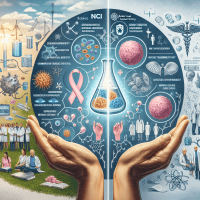
Understanding the staging of mesothelioma is crucial for selecting the right treatment approach. Below is a medically accurate diagram that outlines the key stages of mesothelioma alongside corresponding treatment options:
Figure: Mesothelioma Staging and Treatment Options
This illustration is designed to help patients visualize how treatment decisions are tailored based on the stage and progression of mesothelioma.
Transparency and Site Support
In keeping with our commitment to integrity and compassion, I want to clarify that the insights provided here stem from a genuine desire to support patients and their families. While we mention specialized services and treatment centers, our aim is to educate and empower you with factual information. Any referral to commercial entities is disclosed transparently as part of our broader informational mission.
Integrating Compassion with Cutting-Edge Science
One of the most crucial aspects of mesothelioma care lies in integrating compassionate support with innovative medical science. Throughout my career as a patient advocate and educator, I have witnessed how small, empathetic interactions can alleviate the emotional burden of a mesothelioma diagnosis. Healthcare professionals, researchers, and support communities are continuously pushing the boundaries to improve patient outcomes through personalized care.
Balance Between Innovation and Empathy
Keeping abreast of emerging therapies and treatment trends while maintaining a human connection is essential. I strive to balance the scientific rigor of mesothelioma treatment with the warm, understanding tone that respects the emotional journey of each patient.
Looking Ahead: Future Directions
Research into mesothelioma is advancing rapidly. As new clinical trials and therapeutic methods become available, it remains imperative to stay informed. I encourage you to regularly consult reputable sources like the American Cancer Society and the Mesothelioma Applied Research Foundation for updates on promising research and evolving treatment protocols.
Conclusion
Navigating the complexities of mesothelioma specialists treatment is a challenging journey filled with both scientific and emotional hurdles. With the right combination of expert medical care and steadfast emotional support, it is possible to hope for improved outcomes and overall quality of life. I invite you to use this guide as a source of empowerment as you explore treatment options and build your personalized care plan.
Remember, you are not alone—whether you’re a patient or a caregiver, there is a community ready to support you every step of the way.